Treatments
Teeth whitening

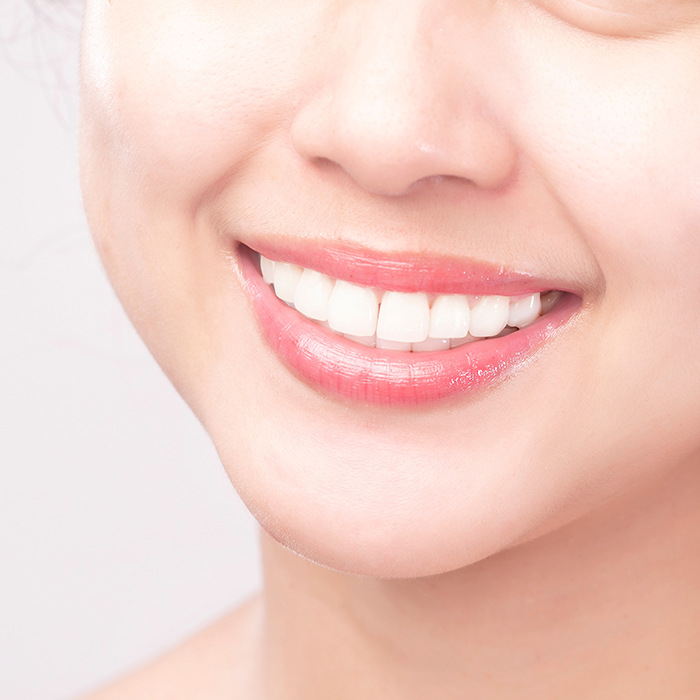
Teeth whitening is a procedure that lightens teeth and reduces discolouration. Because it can substantially change the appearance of teeth, it is one of the commonly used aesthetic dental procedures and is provided by many dentists.
The outermost layer of a tooth is enamel. A thin film forms on enamel each day and may develop stains. Tiny pores in enamel can also retain stains. Whitening is not a permanent, one-time solution and may need to be repeated periodically to maintain a brighter colour.

What is teeth whitening used for?
The main factors causing yellowing and staining include ageing, smoking and staining foods and drinks such as coffee and tea.
Staining can also occur inside the tooth. Internal stains may result from tetracycline-type antibiotics or excessive fluoride while teeth are developing in childhood. Tetracycline use during pregnancy or in children up to eight years of age may cause these stains because the teeth are still developing.
Teeth whitening is described here as particularly effective for stains associated with age, food and drinks.
What are the risks of teeth whitening?
The existing clinic text states that teeth may become temporarily sensitive after whitening. Whitening should be postponed during pregnancy because the effects of whitening materials on the fetus are not known and the procedure is elective and cosmetic.
Teeth whitening · Frequently asked questions
General patient information. Your examination determines diagnosis and the treatment suitable for you.
Does whitening lighten crowns and fillings?
No. Whitening lightens natural teeth; crowns, dentures and fillings do not change colour in the same way.
Is an examination needed before whitening?
Yes. Tooth and gum health should be assessed before choosing a suitable approach.
Can whitening cause sensitivity?
Temporary tooth sensitivity and gum irritation can occur. Ask the treating dentist about discomfort.
Is whitening permanent?
No. Results vary with the person and habits. Any repeat treatment should be discussed with a dentist.