Treatments
Endodontics (root canal treatment)
If decay reaches and infects the dental pulp, root canal treatment is required.
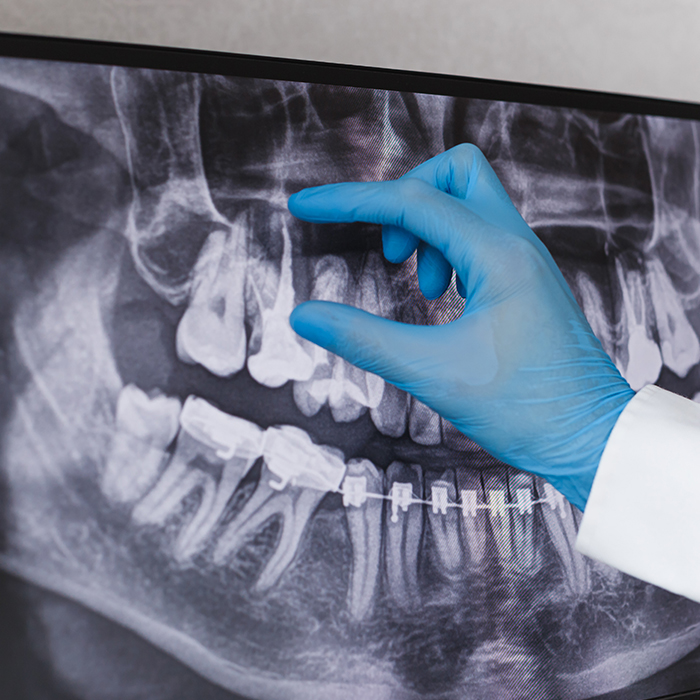
Root canal treatment:This is the process of thoroughly removing infected tissue from the canals and chambers containing the pulp, then filling and sealing them.
Root canal treatment removes the infected parts of teeth that are painful or infected because of decay or trauma, allowing the teeth to remain functional in the mouth. It can also avoid the cost and time involved in replacing a tooth after extraction. The extent of damage is important: some severely damaged teeth cannot be treated with root canal treatment.

A tooth retained after root canal treatment continues to participate in chewing as your own tooth, despite no longer containing pulp. Retaining the tooth helps preserve function in that area and the supporting bone.
Root canal treatment aims to prevent extraction and give the tooth another opportunity to remain in the mouth. A tooth treated under suitable conditions may continue functioning for a lifetime. However, root-treated teeth can be more susceptible to fracture.
The original clinic text reports an average success rate above 90–95% for properly performed root canal treatment.
Endodontic assessment at Dentaliv
Dentaliv provides root canal treatment in Nilüfer, Bursa. Treatment options are determined after examination. Contact the clinic to request an assessment.
Root canal treatment (endodontics) in Nilüfer, Bursa · Frequently asked questions
General patient information. Your examination determines diagnosis and the treatment suitable for you.
When is root canal treatment needed?
It may be needed when the pulp inside a tooth has irreversible inflammation or infection. Examination and appropriate tests identify the cause.
What happens during root canal treatment?
Affected pulp is removed and the canals are cleaned, shaped and filled. The tooth then needs a well-sealed, functional restoration.
Is root canal treatment painful?
Local anaesthesia is usually used. Tell the dentist if you feel pain so the level of anaesthesia can be reassessed.
How many appointments are needed?
Canal anatomy, infection and treatment complexity influence the number. Completion in one visit cannot be promised before assessment.
Is a crown needed afterwards?
Remaining tooth tissue and chewing forces guide the choice of filling or crown. Completing the final restoration promptly helps protect the tooth.
Which symptoms after treatment need assessment?
Some tenderness can occur. Increasing pain, swelling or persistent symptoms need a review. Seek emergency help for difficulty breathing or swallowing.