Treatments
Orthodontics
Are your teeth crowded or spaced? Are you unhappy with the position of your teeth or jaws? Orthodontic treatment can address these problems.
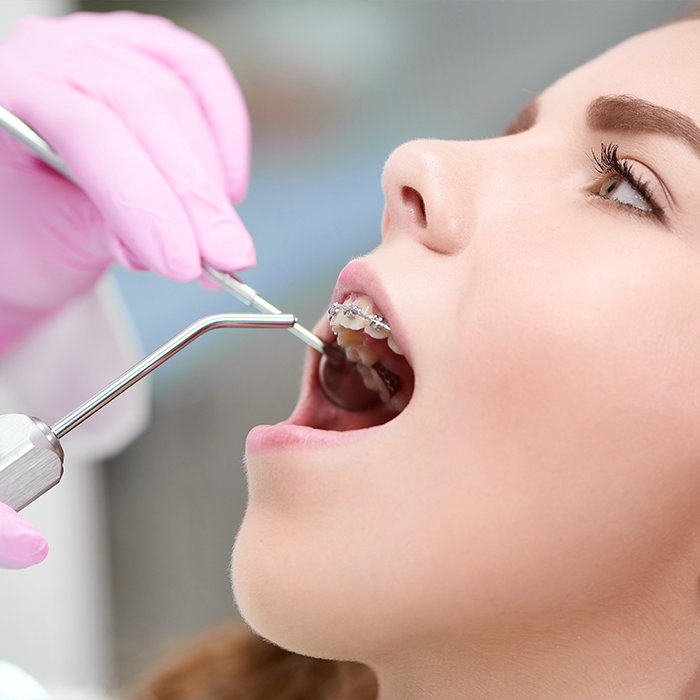
Different orthodontic methods can move the teeth and jaws towards the desired position and shape, helping achieve your preferred appearance and smile. Advances in technology allow treatment for patients of different ages.
Which problems can orthodontics address?
- Dental crowding
- Gaps between teeth
- Imbalances of the jaw, face and lips
- Bite problems

Is there an age limit for orthodontics?
Orthodontic treatment can be considered at any age when the gums and supporting bone are healthy. The original text describes preventive treatment especially for children aged 8–15, and notes that permanent teeth begin erupting at around six or seven and continue until approximately twelve to fourteen. It describes beginning comprehensive treatment after around twelve years of age.
What should I consider during orthodontic treatment?
People receiving orthodontic treatment need to pay extra attention to oral hygiene. Brackets can retain more food. If plaque is not removed from the teeth and brackets it can lead to gum disease, decay and bad breath.
For this purpose:
- A soft-bristled toothbrush is recommended. Special orthodontic brushes may also help.
- Flossing should be performed at least once a day. Although it may seem difficult with brackets, it is possible and important.
- An interdental brush is another useful aid for oral hygiene. It helps clean around brackets and wires and between teeth.
- Choose softer foods and avoid foods that may damage brackets. Repeated breakages can prolong treatment. Hard and sticky foods such as caramel, sweets and chewing gum can stick to brackets and wires. Trapped food supplies sugar to decay-causing bacteria. Hard foods such as apples and carrots should be cut into pieces rather than bitten directly. Very hard nuts and similar snacks should be avoided if they may break brackets.
Orthodontics · Frequently asked questions
General patient information. Your examination determines diagnosis and the treatment suitable for you.
Can adults have orthodontic treatment?
Yes. Adults can receive treatment after assessment of their teeth, gums and bite.
Should I choose braces or clear aligners?
The required tooth movements and individual circumstances guide the choice. An orthodontic assessment is needed.
What determines treatment duration?
The problem, treatment method and adherence affect duration. An individual estimate is explained during planning.
Are retainers needed afterwards?
Usually yes. Follow the prescribed retainer programme to help limit unwanted tooth movement.