Treatments
Oral health during pregnancy
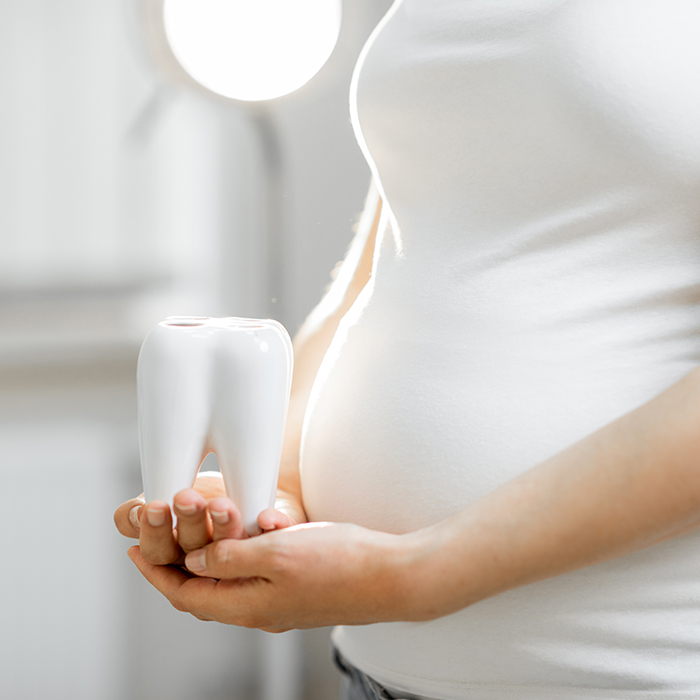
Why is a dental visit important when planning pregnancy, and what should we do during this period?
Just as tests and preparations are made before pregnancy, a dental visit should be arranged so that necessary treatment can be completed. Oral health affects general health, making pre-pregnancy dental care important for both you and your baby.
After a detailed examination and X-rays when necessary, we help patients prepare for pregnancy with good oral hygiene. Existing gum disease and decay are assessed and teeth likely to cause problems during pregnancy are treated. Wisdom tooth removal may be recommended. We explain what to do and avoid during this period and provide preventive care, such as scaling and fissure sealants, when indicated.

Which months are most suitable for dental treatment during pregnancy, and why?
The second trimester is described as the most suitable period for treatments such as extractions, fillings and root canal treatment that should not be postponed until after pregnancy.
The first three months are the period when the baby's organs develop. The original clinic text cautions against unnecessary interventions during this stage. However, teeth causing pain or greater harm if untreated should receive urgent assessment and necessary treatment, such as extraction or root canal treatment, rather than avoiding the dentist.
During the third trimester the baby has grown considerably and birth is approaching. Sitting comfortably in the dental chair can be difficult. The original text advises avoiding non-urgent procedures during this stage, as in the first trimester.
Can dental X-rays be taken during pregnancy?
The original clinic content states that one or two intraoral X-rays may be taken during pregnancy if essential for treatment. It recommends shielding to minimise exposure and avoiding imaging in the first three months where possible.
Can dental anaesthesia be used during pregnancy?
Suitable anaesthetic solutions can be used to prevent pain during dental treatment.
Does tooth decay increase during pregnancy?
Nausea and vomiting, particularly early in pregnancy, can create an acidic environment in the mouth and make oral care more difficult, increasing susceptibility to decay.
Can tooth loss occur during pregnancy?
Contrary to a common belief, pregnancy itself does not cause tooth loss. Tooth loss during pregnancy is related to inadequate dental care or pre-existing problems.
Is it true that gum problems inevitably worsen with every pregnancy, and can they be prevented?
This is not inevitable. Effective cleaning and care can help prevent gum inflammation. The original text recommends brushing at least twice daily and, where possible, after meals, together with daily flossing. If morning brushing causes discomfort, rinsing is suggested.
How does nutrition affect oral health during pregnancy?
A balanced diet supports oral health. The original clinic content also mentions vitamin C and B12 support. More frequent dental visits can improve plaque control and help prevent gingivitis.
Oral health during pregnancy · Frequently asked questions
General patient information. Your examination determines diagnosis and the treatment suitable for you.
Can dental treatment be provided during pregnancy?
Necessary preventive and therapeutic dental care can be provided. Tell your dentist your pregnancy stage and health details.
Should toothache wait until after birth?
Do not delay assessment of pain or infection. Your dentist plans suitable care and medicines, consulting your maternity clinician when needed.
Can dental X-rays and local anaesthesia be used during pregnancy?
They can be used when clinically necessary with appropriate technique. Need and method are assessed individually.
What should I do about bleeding gums during pregnancy?
Hormonal changes can affect gums. Maintain cleaning and dental visits, and report repeated bleeding.