Treatments
Dental implants
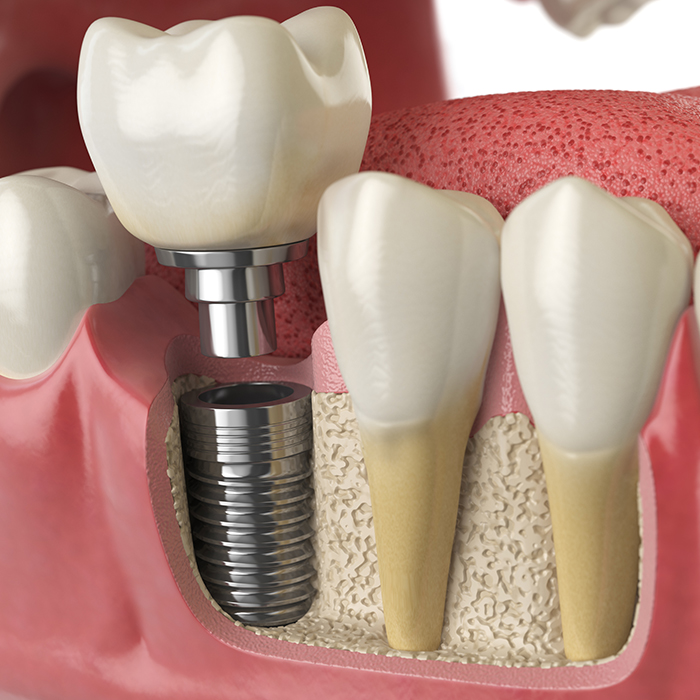
Dental implants are tissue-compatible, screw-shaped artificial roots made of titanium and placed in the jawbone to restore the function and appearance of missing teeth. Compared with conventional crown-and-bridge or removable dentures, implants can provide improved speech and chewing with a natural appearance. They are commonly used to replace a single tooth, several teeth or all teeth, and may also provide anchorage during orthodontic treatment. A single implant can replace a missing tooth without preparing neighbouring teeth as required for a bridge. With several missing teeth, implants can avoid a removable denture. For patients with no remaining teeth, comfortable fixed restorations may be possible instead of complete dentures.
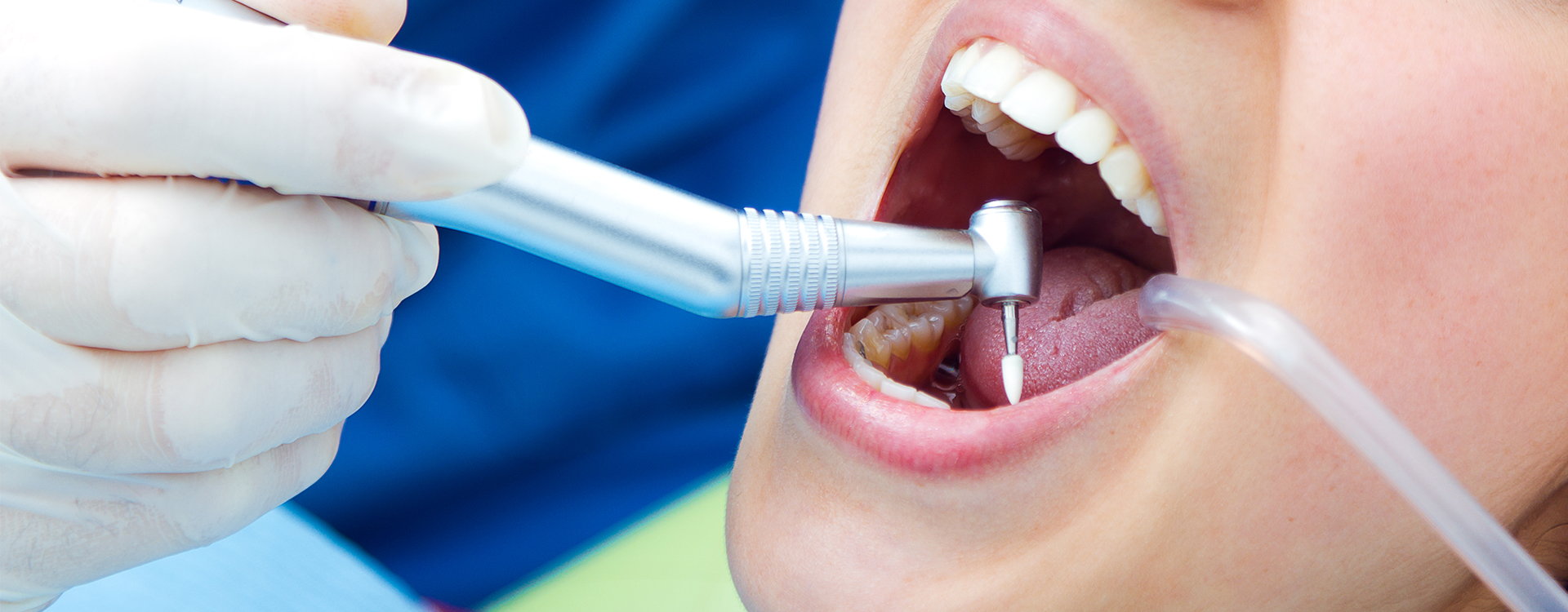
Can everyone receive implants? They may be considered once bone development is complete and the hard and soft tissues are suitable. People with significant uncontrolled systemic disease may become eligible after their condition is treated. The original clinic text states that there is no upper age limit and describes treatment for adults aged eighteen and over. How long does surgery take? It depends on the number and position of implants and whether additional surgery is needed; the original text gives an approximate duration of 10–15 minutes. When can the prosthesis be made? The text describes a three-month healing period before beginning the restoration. Advantages include improved function and appearance compared with conventional dentures, replacing teeth without damaging neighbouring teeth, enabling fixed restorations for patients without teeth, helping preserve bone and improving removable denture retention. The procedure is performed with anaesthesia; the original text describes mild gum discomfort afterwards that may be managed with appropriate pain relief.
Dental implants · Frequently asked questions
General patient information. Your examination determines diagnosis and the treatment suitable for you.
What does a dental implant do?
An implant supports a crown, bridge or denture in place of a missing tooth root. Planning considers the surrounding teeth and jawbone.
Can everyone have dental implants?
Bone condition, gum health, smoking and medical conditions affect suitability. Examination and appropriate imaging are needed before deciding.
Can a tooth be fitted immediately?
Not always. Initial implant stability and healing conditions determine whether a temporary restoration can be fitted early or a waiting period is needed.
How should implants be maintained?
Clean around implants and beneath the restoration daily and attend follow-up visits. Report bleeding, swelling or movement to your dentist.