Treatments
Dental treatment under general anaesthesia
When can dental treatment under general anaesthesia be considered?
- For very young children or children unable to cooperate with treatment,
- For people whose neurological condition or physical disability prevents treatment in the dental chair,
- For people with a severe fear of dental treatment arising from previous experiences that cannot otherwise be overcome.
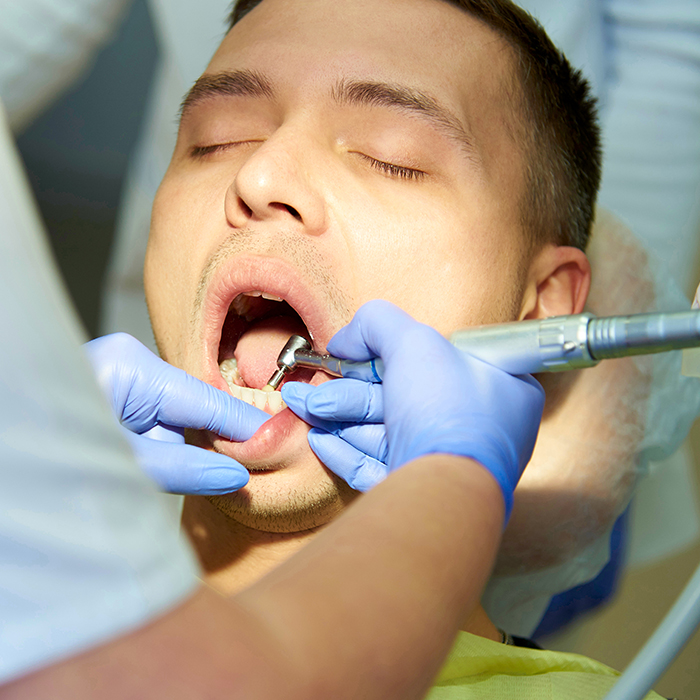
What is sedation?
Sedation is a medication-induced state provided by an anaesthesiologist while the patient retains a degree of awareness.
It is not the same as general anaesthesia. The patient can follow the clinician's instructions and communication remains possible. For example, the patient can open their mouth when asked. The anaesthesiologist monitors the pulse and blood pressure throughout the procedure. In this state consciousness is reduced, while the patient can maintain an open airway and respond appropriately to physical stimuli and verbal instructions. Children in particular may not remember attending the dental appointment afterwards.
Because the medication reduces recall of the procedure, pain and unpleasant sounds, it may reduce psychological distress and make subsequent dental visits easier.

Is it safe?
The original clinic content describes conscious sedation as safe for adults and children. In adults it is administered intravenously and the dose is adjusted to body weight. For children, oral, rectal and intranasal routes are described. Additional doses may be used according to the duration of treatment.
Several treatments, such as extractions and fillings, may be carried out in one session. The original text describes discharge around half an hour after completion. Patients are advised not to drive, to avoid strenuous activity and to rest. They should attend with a companion.
For appropriately selected patients, conscious sedation can provide advantages for both the patient and clinician that justify the time and effort involved.
What are its aims?
- It aims to create a comfortable environment and reduce fear and anxiety for the patient.
- It raises the pain threshold to reduce the sensation of pain.
- Reducing dental anxiety and unwanted reflexes can provide the dentist with a more comfortable working environment.
- It can help prevent distressing experiences, particularly for children who are prone to fear.
Dental treatment under general anaesthesia · Frequently asked questions
General patient information. Your examination determines diagnosis and the treatment suitable for you.
Are general anaesthesia and sedation the same?
No. General anaesthesia causes unconsciousness; sedation has different depths. Dental and anaesthetic assessment guide the choice.
Why is a pre-anaesthetic assessment needed?
Medical conditions, medicines and previous anaesthesia experiences matter for planning. The team determines any tests and the appropriate setting.
How long should I fast beforehand?
Follow your team's written instructions for food and fluids. Do not invent a fasting schedule; tell the team if you could not follow it.
Can I go home alone after general anaesthesia?
Arrange an escort and supervision at home. Follow discharge instructions about driving and returning to normal activities.